Why We Build Roof Systems the Right Way (and Why It Matters)
Most roofing problems aren’t shingle problems.
Most roofing problems aren’t shingle problems.
They’re system problems.
A roof only performs as well as the layers underneath it. When one piece is skipped, cheapened, or installed wrong, the entire system is compromised.
Here’s how we approach it.
1. Solid Decking Comes First
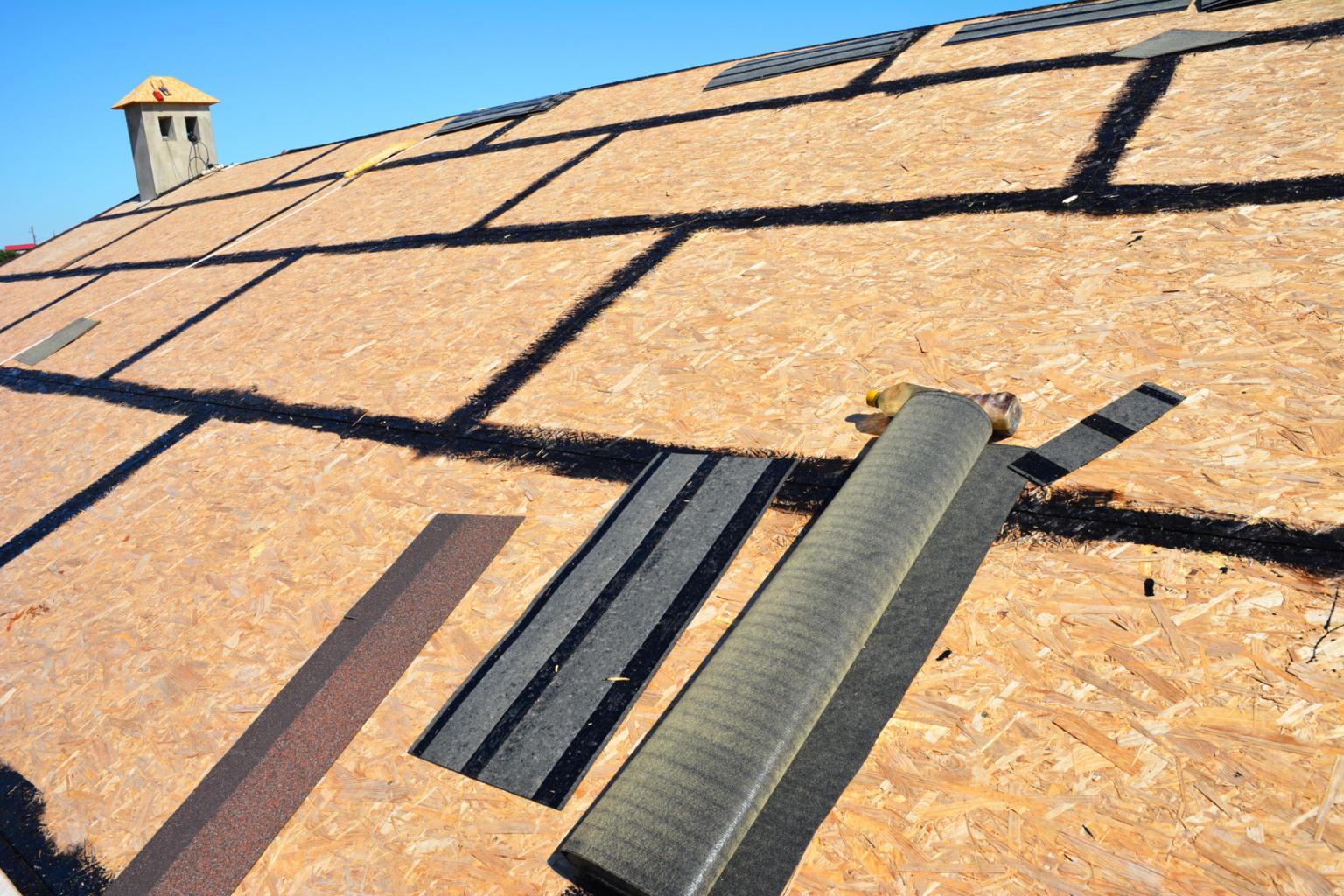
Everything starts with the deck.
Properly fastened plywood or OSB
No soft spots
Correct nailing pattern
Adequate ventilation design from the start
If the decking moves, everything above it fails early. Shingles don’t like movement. Neither does flashing.
2. Synthetic Underlayment > Felt
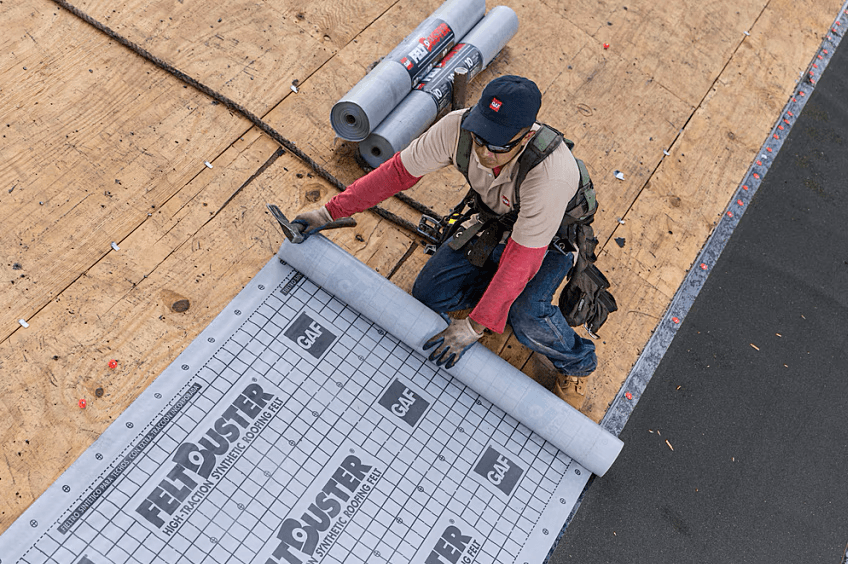
We use high-quality synthetic underlayment instead of old-school felt.
Why?
Stronger tear resistance
Better water shedding
Doesn’t wrinkle when wet
Handles jobsite exposure better
Underlayment is your secondary water barrier. If wind-driven rain gets under shingles, this layer is what protects the home.
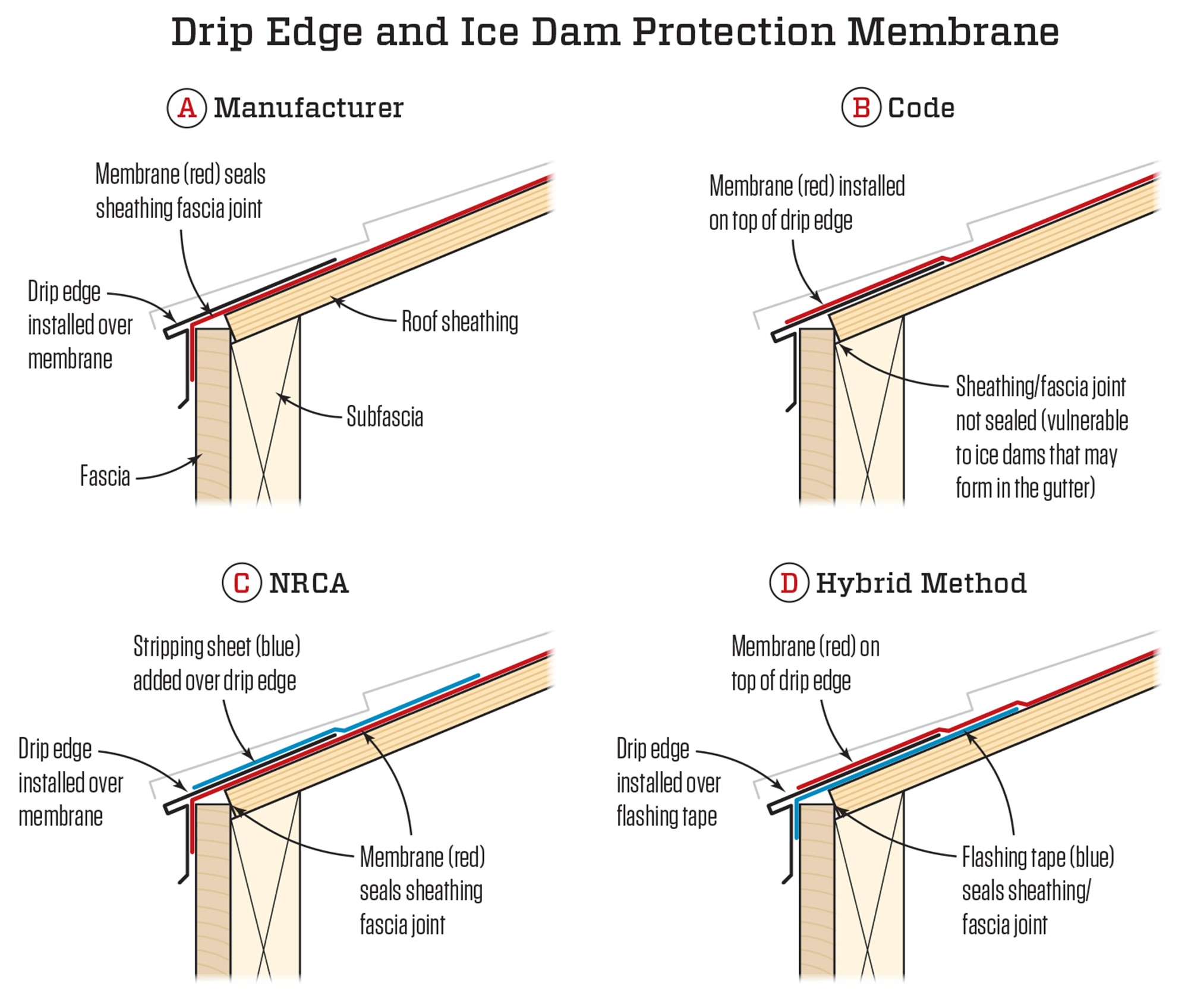
3. Ice & Water Shield Where It Actually Matters
Not just a strip at the edge.
We install self-adhered membrane:
Along eaves
In valleys
Around penetrations
At roof-to-wall transitions
These are leak zones. Period.
This is where cheap installs fail. It’s also where callbacks come from.
4. Shingles Are the Finish — Not the System
Architectural shingles are durable when installed correctly:
Proper starter strip
Correct nail placement (not high-nailed)
Proper ridge ventilation
Matching ridge caps
The shingle brand matters.
But installation discipline matters more.
The Real Difference
Most contractors sell shingles.
We build roof systems.
The goal isn’t just passing inspection.
It’s building something that performs for decades.
That’s what “Built Right” actually means.