What Is an LVL — and Why It’s in Your House
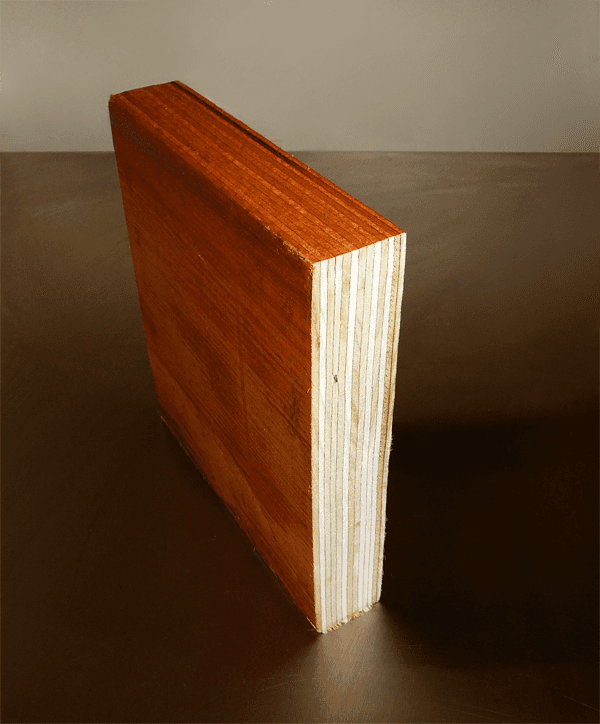
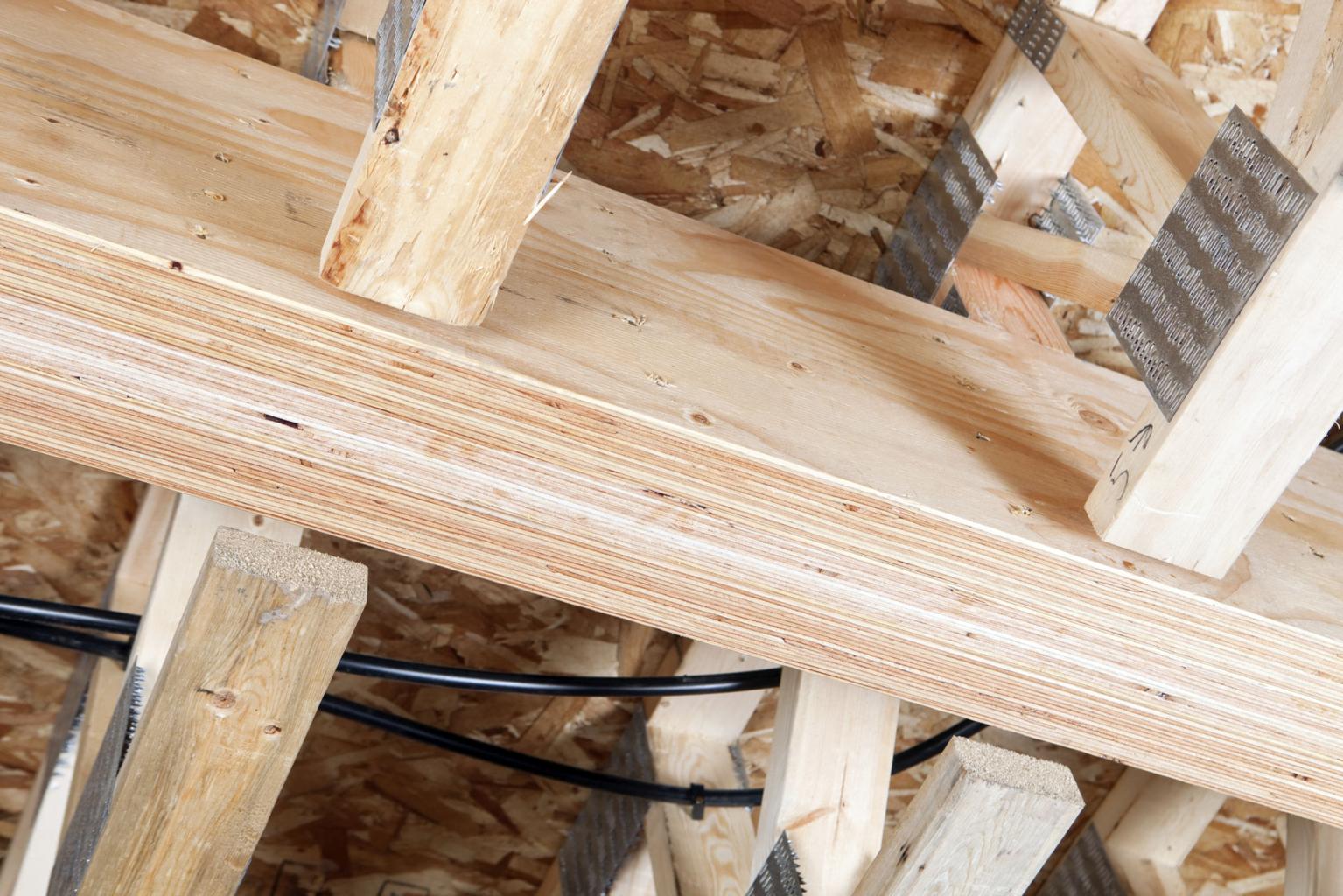
If you’ve ever opened a wall and seen a thick, layered beam — that’s probably an LVL.
If you’ve ever opened a wall and seen a thick, layered beam — that’s probably an LVL.
LVL stands for Laminated Veneer Lumber.
It’s an engineered structural beam designed to carry serious loads.
What Makes It Different?
Unlike a standard 2x10 or 2x12, an LVL is made from:
Thin layers of wood veneer
Glued together under pressure
All grain running the same direction
The result?
Stronger
Straighter
More predictable
Less prone to warping
It’s built for structural performance.
Where You’ll Find LVLs
Over large window openings
Supporting open floor plans
Carrying roof loads
Replacing load-bearing walls
Garage door headers
When you remove a wall to “open things up,” an LVL usually replaces it.
Why Not Just Use Regular Lumber?
Because spans matter.
As openings get wider:
Loads increase
Deflection becomes a concern
Sagging becomes visible
LVLs are engineered to handle longer spans with less movement.
Less movement = fewer cracks in drywall and finishes.
Are They Better?
For structural applications — yes.
But they must be:
Properly sized
Installed correctly
Fully bearing on supports
Protected from moisture
An undersized LVL is just as bad as no LVL.
The Big Picture
You may never see it once drywall goes up.
But that beam is holding your roof, your floors, and sometimes your entire second story.
It’s one of those hidden components that quietly keeps your home performing the way it should.
Strong structure. Clean design. Built right.