Foundations 101: Why Footers Must Bear on Undisturbed Soil
Most foundation problems don’t start with concrete. They start with the dirt underneath it.
Most foundation problems don’t start with concrete.
They start with the dirt underneath it.
If footers aren’t bearing on solid, undisturbed soil, everything above can move.
What Is “Undisturbed Soil”?
Undisturbed soil is native ground that hasn’t been:
Recently filled
Loosened by excavation
Backfilled without compaction
It’s stable because it’s been compressed naturally over time.
Loose fill settles. Native soil doesn’t — at least not the same way.
Why It Matters
Concrete is strong in compression.
But it only performs as well as what it’s sitting on.
If a footer is poured on:
Soft fill dirt
Organic material
Debris
Mud
You risk:
Settlement cracks
Uneven floors
Sticking doors and windows
Structural stress
Foundation movement is expensive to fix. Prevention is cheap.
Proper Process
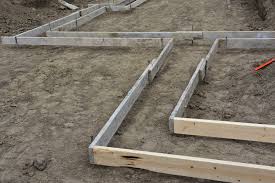
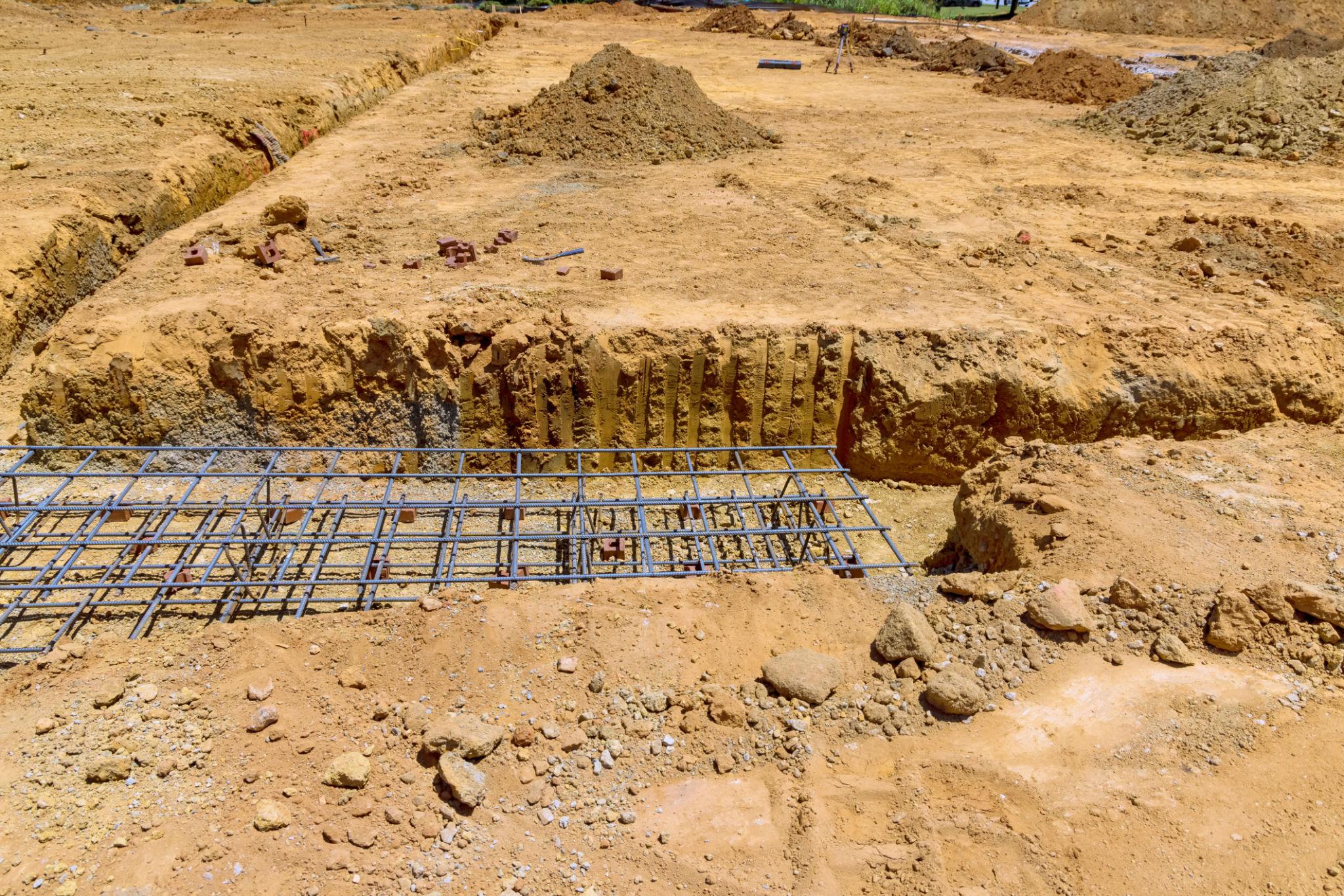
Excavate to firm native soil.
Remove all loose or organic material.
Verify bearing surface is solid and level.
Install rebar per plan.
Schedule inspection before pouring.
If fill is required, it must be compacted in lifts — not dumped and covered.
Red Flags Homeowners Should Watch For
Footers poured in standing water
No inspection before concrete
Muddy trench bottoms
No visible rebar
Rapid pour without prep
You don’t get a second chance at footers.
Once concrete is down, it’s buried forever.
The Bottom Line
Your entire home — framing, drywall, cabinets, roof — sits on that first pour.
Good foundations aren’t exciting.
But they determine whether everything else performs the way it should.
Build from the ground up.
Start on solid soil.