7 Things Every Homeowner Should Know Before Replacing a Roof
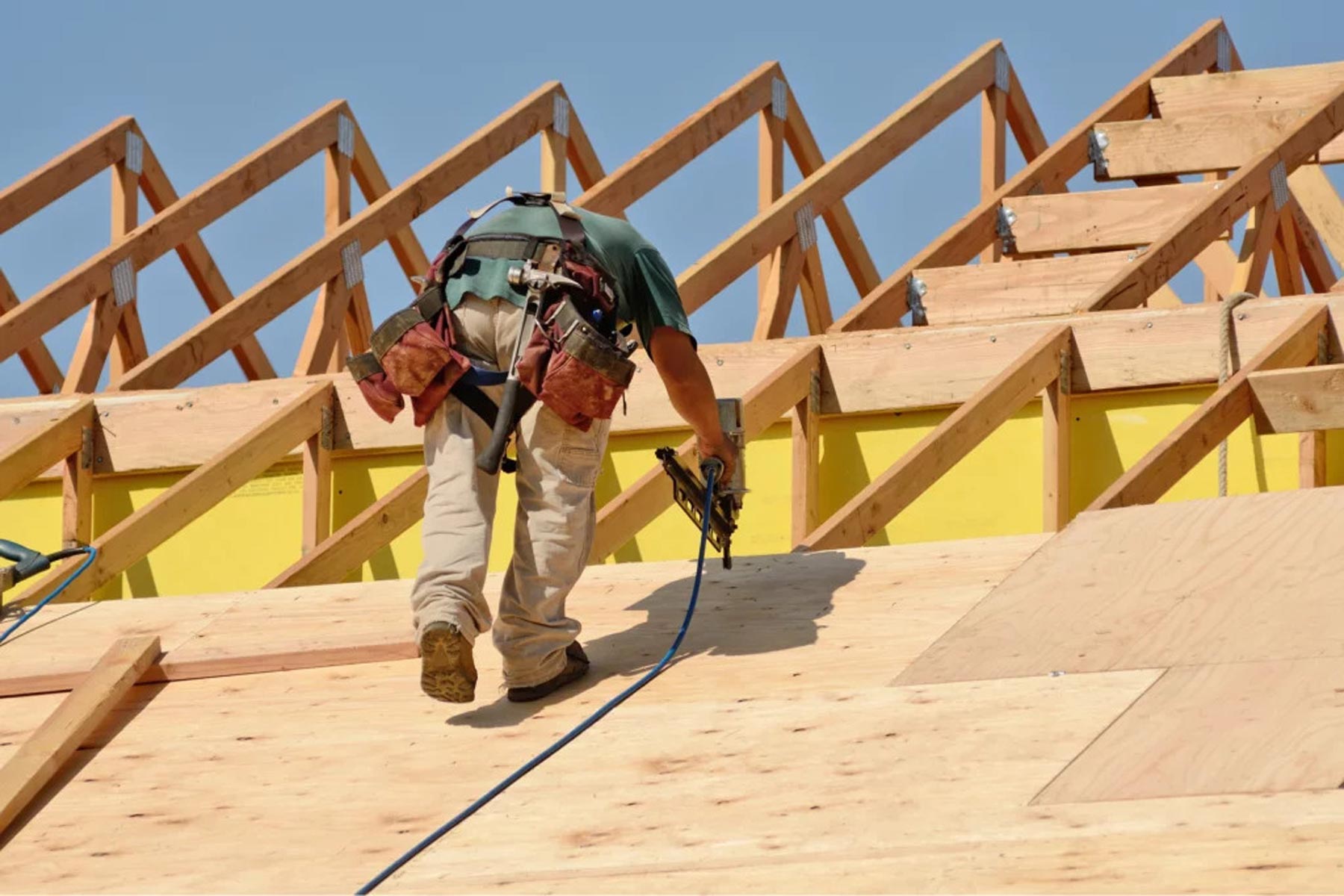
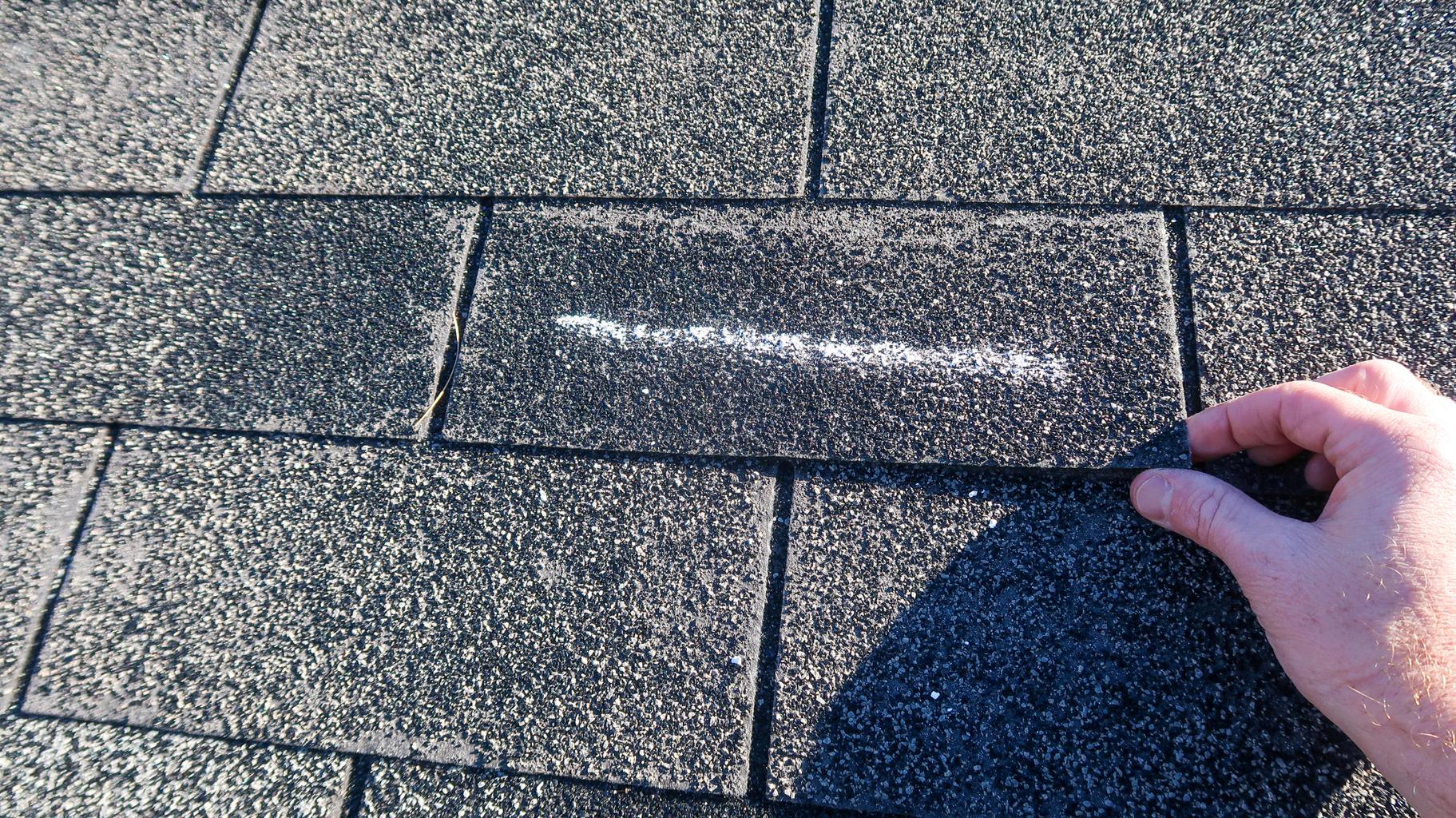
A roof replacement is one of the biggest investments you’ll make in your home. Most problems don’t come from storms — they come from poor installation.
A roof replacement is one of the biggest investments you’ll make in your home.
Most problems don’t come from storms — they come from poor installation.
Here’s what you should know before signing a contract.
1. A “Roof” Is a System
Shingles are just the top layer.
A proper system includes:
Decking
Underlayment
Ice & water barrier
Flashing
Ventilation
Starter + ridge system
If one piece is wrong, the whole system is weaker.
2. Tear-Off Is Non-Negotiable
Laying shingles over old shingles hides problems.
You want:
Full tear-off
Deck inspection
Rotten wood replaced
If the deck isn’t solid, nothing above it will be.
3. Flashing Is Where Roofs Fail
Chimneys, walls, valleys, vents — this is where leaks happen.
Ask specifically:
Are you installing step flashing?
Are you cutting counter flashing into masonry?
Are you replacing all valley metal?
Flashing is not where you cut corners.
4. Ventilation Matters More Than Brand
Improper ventilation:
Cooks shingles
Causes premature failure
Can void warranties
Balanced intake and exhaust is critical.
5. Cheap Bids Usually Skip Something
Common omissions:
Ice & water shield beyond code minimum
Drip edge replacement
Proper starter strips
Ridge caps
Decking replacement allowance
If a bid is dramatically lower, something is missing.
6. Storm Chasing Is Real
Be cautious of:
“We have leftover shingles from your neighbor”
Pressure to sign immediately
No local address
No proof of insurance
A roof should be installed by someone who will answer the phone years later.
7. Expect Noise and Mess — But Not Chaos
A good contractor:
Protects landscaping
Uses tarps and magnets for nails
Communicates daily
Cleans thoroughly
Organization shows up in the details.
Final Thought
Replacing a roof isn’t about buying shingles.
It’s about protecting your structure, insulation, drywall, flooring, and everything underneath.
When done correctly, it’s quiet insurance for the next 20–30 years.
Build it once. Build it right.